|
Rex Booth
John,
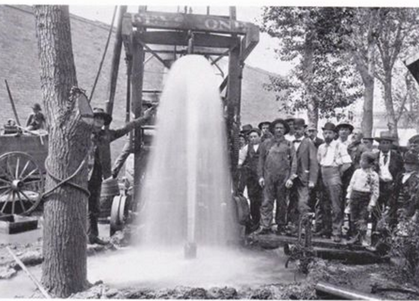
Yes, I agree with your assessment that “the early farmers and ranchers had no idea that the water was a finite item, and allowed their wells to flow continuously, thinking it would last forever”.
After reading articles about the Pecos River with irrigation, artesian wells, and the advent of cotton growing, the following is my understanding:
Ancient Beginnings (1,250–800 B.C.): Native peoples in the Southwest cultivated cotton for textiles, with archaeological evidence showing its use by Pueblo communities by A.D. 400.
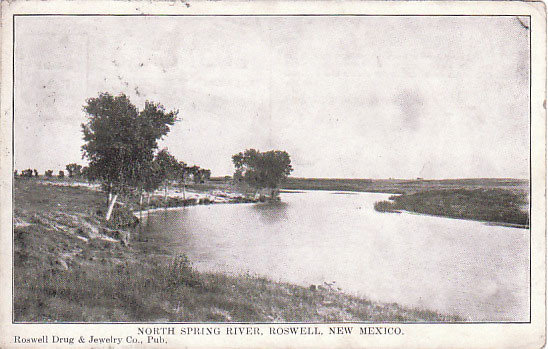
Fast forward to 1910, two years before New Mexico became a State in the Union. At that time, cotton was being grown by irrigation from the Hondo and Pecos Rivers serviced by canals.
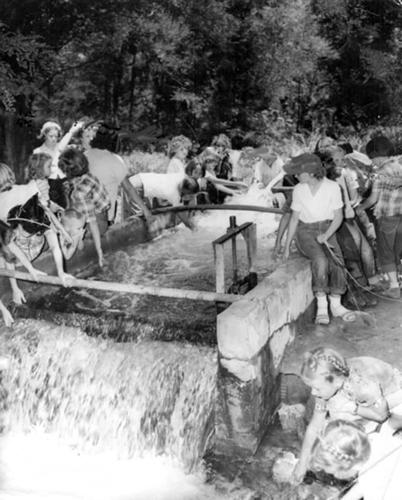
These canals were developed first by Pat Garrett and his partner, James Hagerman (a prominent silver mining magnate and railroad tycoon from Colorado). Pat Garrett ran into financial difficulties. Hagerman (with deep pockets) further developed irrigation canals from the Pecos and Hondo Rivers. It was a maze of over a hundred miles of canals, which included East Grand Plains, Dexter, Hagerman, and Lake Arthur. During the 1920’s cotton was being grown commercially.
In 1948, as a young lad, I remember another trip with my Granddad taking the old Dexter highway south. Granddad’s friend dropped us off and we walked and walked and walked from one cotton field to another. We walked what seemed like a mile on that hot dusty road before Granddad stopped and said, “Ok this one”. We then unrolled our long white bags. We stooped down between rows of white puffy cotton. Then Granddad said: “Son, this is how you pick cotton”! All I remember is once the bag started filling, it got really hard to pull that cotton sack down the row. My finger tips were cut, bruised, and sore from picking cotton that day!
“Oh, when them cotton balls get rotten
you can't pick very much cotton
In them old cotton fields back home
It was down in Louisiana
Just about a mile from Texarkana
And them old cotton fields back home…”
|